
Aperçu
Tour snapshot
:compter les jours
7 persons
Serengeti National Park
Group Joining Safaris
Hotels on This Tour
Discover the hotels you'll stay at during this circuit safari
Itinéraire
Day 1
Arrival in Arusha
Day 2
Arusha → Tarangire NP
Day 3
Tarangire → Lake Manyara NP
Day 4
Manyara → Serengeti NP
Day 5
Full Day Serengeti
Day 6
Serengeti → Ngorongoro
Day 7
Ngorongoro Crater → Arusha
Informations importantes
Compris
-
✓All park fees and crater service fees
-
✓All accommodation per itinerary
-
✓Professional English-speaking driver-guide
-
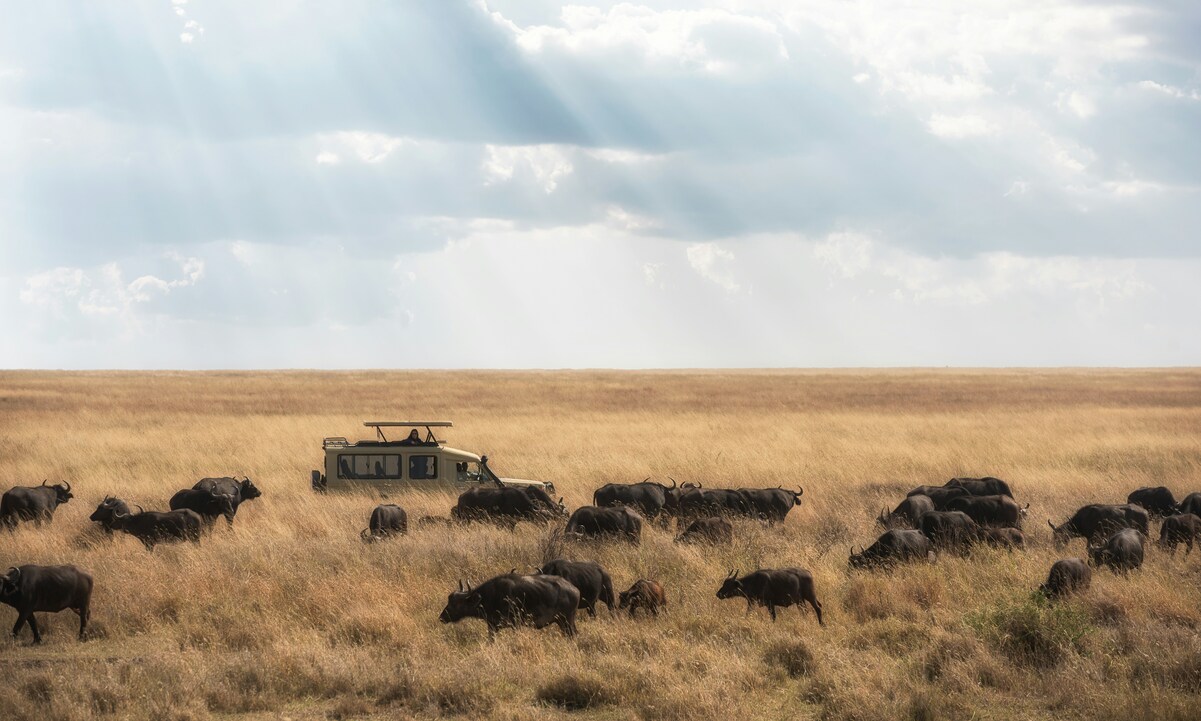
✓4×4 Safari Land Cruiser with pop-up roof (shared)
-
✓Bottled water during game drives
Not Included
-
✕International flights and visas
-
✕Personal travel insurance
-
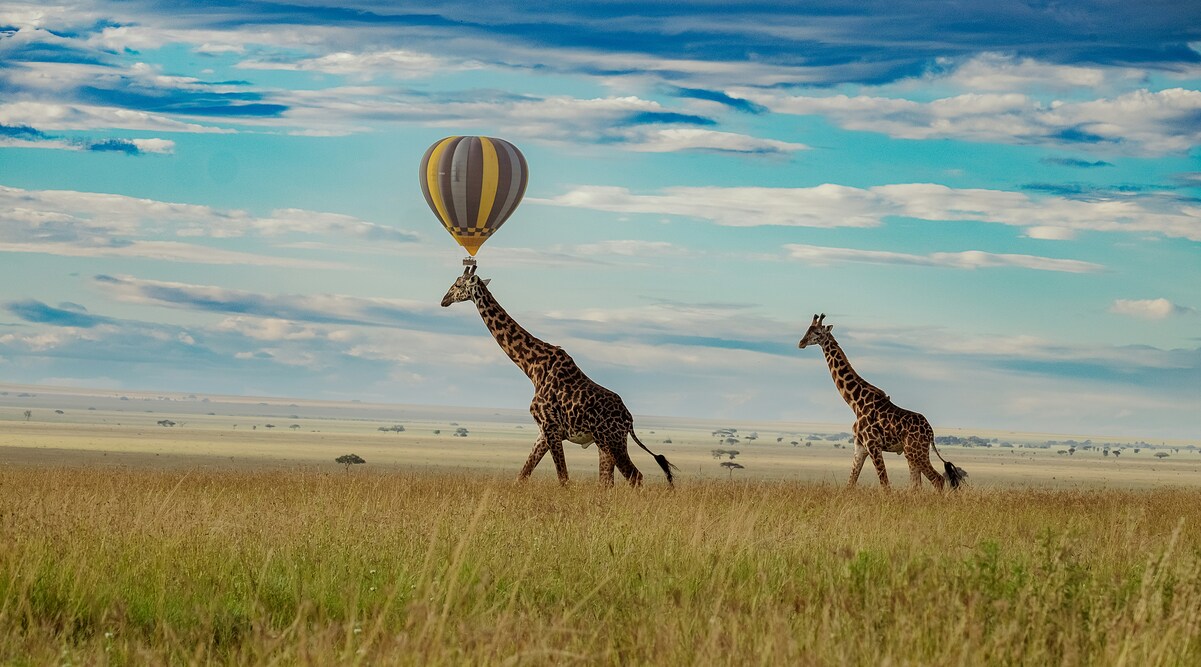
✕Optional Balloon Safari in Serengeti (USD 550–600)
FAQ sur 7 Days Northern Tanzania Classic Group Safari
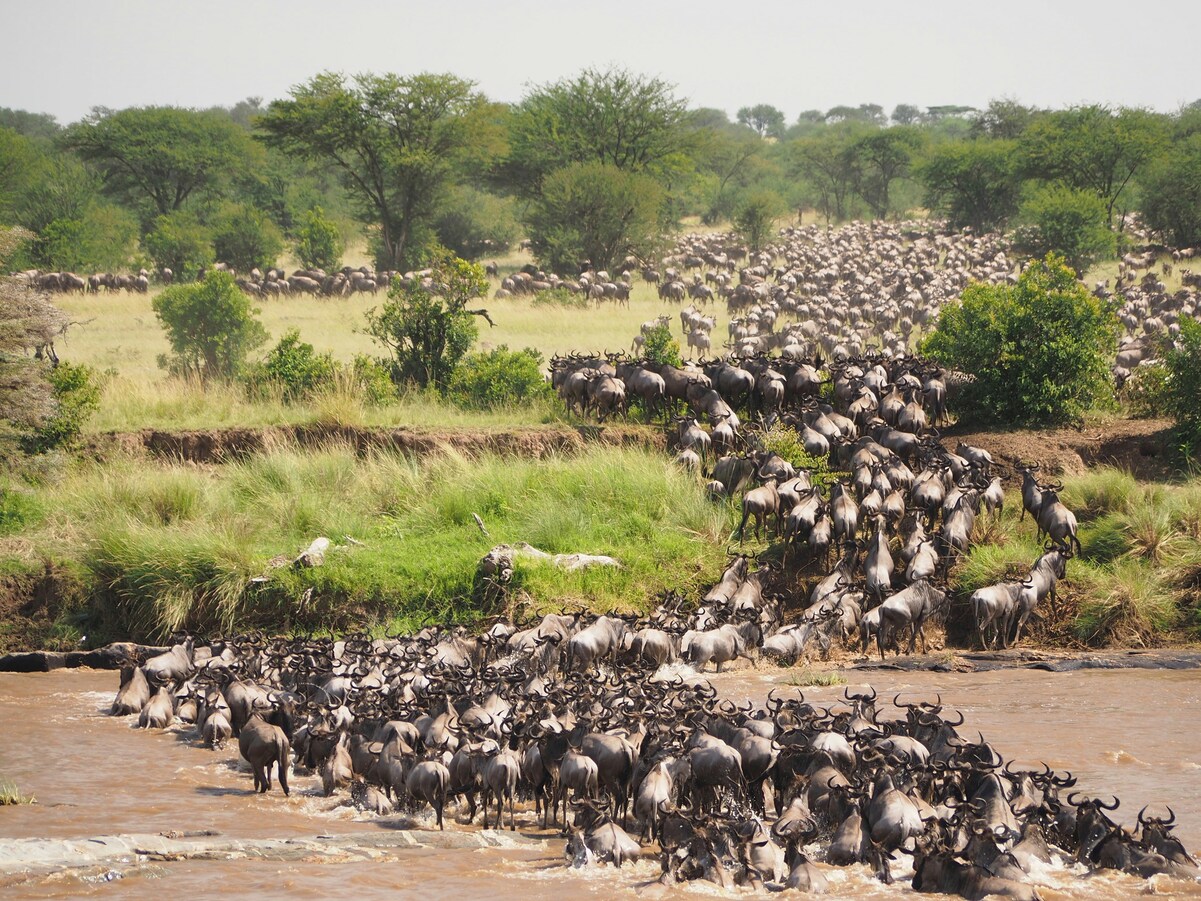
The Serengeti component of this safari offers the possibility of encountering Great Migration herds, though this is season dependent and the herds are not confined to a fixed schedule. The migration is a continuous year-round cycle across the Serengeti-Mara ecosystem, with the wildebeest following rainfall and fresh grass in a roughly predictable annual pattern. During the dry season from July to October, the northern Serengeti and Maasai Mara see the most dramatic concentrations and river crossing activity, while the calving season in the southern Serengeti and Ndutu area peaks between January and March. The Seronera area where this safari is based is a central zone that sees resident wildlife throughout the year and intersects with migrating herds during transition periods. If witnessing a large migration concentration is the primary goal, we recommend timing your travel accordingly or considering our 10-day Kenya and Tanzania circuit, which places you in both the Mara and Serengeti during peak migration months.
Yes, and it is one of the most natural trip combinations available anywhere in travel. Zanzibar is a 45-minute flight from Arusha or approximately 1 hour from Seronera, and the contrast between the dust and drama of a Northern Circuit safari and the stillness of the Indian Ocean coast is one of the defining East African travel experiences. We can arrange a Zanzibar extension of between 3 and 7 nights at the end of this itinerary, including transfers and accommodation across a range of properties from mid-range beach hotels to boutique spa resorts. Contact us via WhatsApp with your preferred travel dates and we will put together a combined package with pricing within 24 hours.
The Ngorongoro Crater is a UNESCO World Heritage Site and one of the most extraordinary wildlife habitats on earth. It is the world's largest intact volcanic caldera, measuring approximately 20 kilometres across and 600 metres deep, and was formed roughly two to three million years ago when a massive volcano collapsed inward on itself. The crater floor covers around 260 square kilometres and supports a permanently resident population of approximately 25,000 large mammals, including lions, leopards, elephants, Cape buffaloes, hippos, spotted hyenas, jackals, flamingos, and one of Tanzania's last remaining populations of critically endangered black rhinos. Because the crater walls function as a natural enclosure and water is available year-round from the Munge and Ngoitokitok springs, animals rarely need to leave, making wildlife density and sighting rates among the highest of any safari destination in Africa. A full-day game drive on the crater floor, as included in this itinerary on day seven, routinely produces sightings of all Big Five species within a single outing.
Tanzania's Northern Circuit is a year-round destination, but timing your visit correctly has a meaningful impact on the specific experiences available. The dry season from late June through October is the most popular period: vegetation is lower, wildlife concentrates around permanent water sources making animals easier to find, and the Great Migration brings vast herds and river crossings to the northern Serengeti and Maasai Mara. This coincides with high season pricing. The short dry spell in January and February is excellent for the calving season in the southern Serengeti near Ndutu, when hundreds of thousands of wildebeest calves are born in a matter of weeks and predator activity intensifies dramatically. The long rains from March through May bring fewer visitors, lush green landscapes, and significantly lower prices — low season rates on this itinerary start from USD 2,050 per person. The short rains in November and early December are mild and intermittent, and this period offers good value at mid-season rates with relatively uncrowded parks.
Tanzania has several health requirements and recommendations that international visitors should address well in advance of travel. Yellow fever vaccination is required if you are arriving from a country with a risk of yellow fever transmission, and proof of vaccination may be requested at the border or on arrival. Regardless of the entry requirement, it is widely recommended by travel health professionals as a precaution. Malaria prophylaxis is strongly advised for all visitors, as malaria is present across Tanzania including in the safari areas. Other commonly recommended vaccinations include hepatitis A, typhoid, tetanus, and for longer stays or adventure activities, rabies. Meningococcal vaccination is advisable for certain travel periods. You should consult a travel health clinic or your GP at least 6 to 8 weeks before departure to ensure all required and recommended vaccinations are in place. Medical and travel insurance are not included in the safari package and are the responsibility of each traveller to arrange independently before travel.
Package Options
Choose from our flexible pricing options below. Each option includes different features and pricing structures to suit your needs.
{{ selectedPackage ? selectedPackage.name : '' }}
All selections made in pricing options
Booking Summary
Almost There!
You've selected {{ selectedPackage ? selectedPackage.name : '' }}
Select Your Package
Please choose a pricing option above and make your selections to continue